

Understanding Distracted Driving and Its Three Major Categories
A distracted driver accident lawyer helps injured crash victims investigate driver negligence, subpoena critical cell phone records and vehicle telematics data, and secure full financial compensation for medical bills, lost income, and pain and suffering. By establishing liability against inattentive motorists and countering insurance defense tactics, legal counsel protects your rights after a wreck.
Driving a car requires full concentration. When motorists divert their focus, even for a split second, vehicles traveling at highway speeds become multi-ton hazards. According to the National Highway Traffic Safety Administration (NHTSA), taking your eyes off the road for five seconds at 55 mph is the equivalent of driving the entire length of a football field blindfolded. In addition, about 1 in 10 traffic accident fatalities nationwide are linked to driver distraction.
Under safety standards and state law, distracted driving is categorized into three primary types:
- Visual Distractions (Eyes Off the Road): Looking away from traffic to view a smartphone screen, check a GPS map, read roadside billboards, or turn toward passengers in the back seat.
- Manual Distractions (Hands Off the Wheel): Removing one or both hands from the steering wheel to eat food, drink a beverage, adjust climate controls, reach for dropped items, or apply makeup.
- Cognitive Distractions (Mind Off the Drive): Allowing your mental focus to drift away from the roadway. This occurs during intense conversations, daydreaming, emotional distress, or extreme driver fatigue.
Texting behind the wheel is uniquely dangerous because it combines all three categories simultaneously: visual, manual, and cognitive.
Many drivers believe that hands-free systems eliminate risk, but studies show voice-to-text systems and Bluetooth phone calls still create significant cognitive distraction, slowing reaction times comparable to driving under the influence.
| Distraction Category | Primary Impact on Driver | Common Real-World Examples |
|---|---|---|
| Visual | Eyes diverted away from traffic | Checking text alerts, looking at navigation screens, viewing billboards |
| Manual | Physical control of the steering wheel is compromised | Eating sandwiches, handling beverages, typing addresses, reaching for fallen objects |
| Cognitive | Mental processing and situational awareness drop | Daydreaming, deep phone conversations, arguments with passengers, mental fatigue |
| Combined (High Risk) | Engages visual, manual, and mental distraction at once | Texting, browsing social media, shooting video, manually entering GPS routes |
How a Distracted Driver Accident Lawyer Proves Liability and Negligence
To secure financial recovery in a personal injury lawsuit, you must prove the at-fault motorist was negligent. Proving negligence in a distracted driving case requires establishing four basic legal elements:
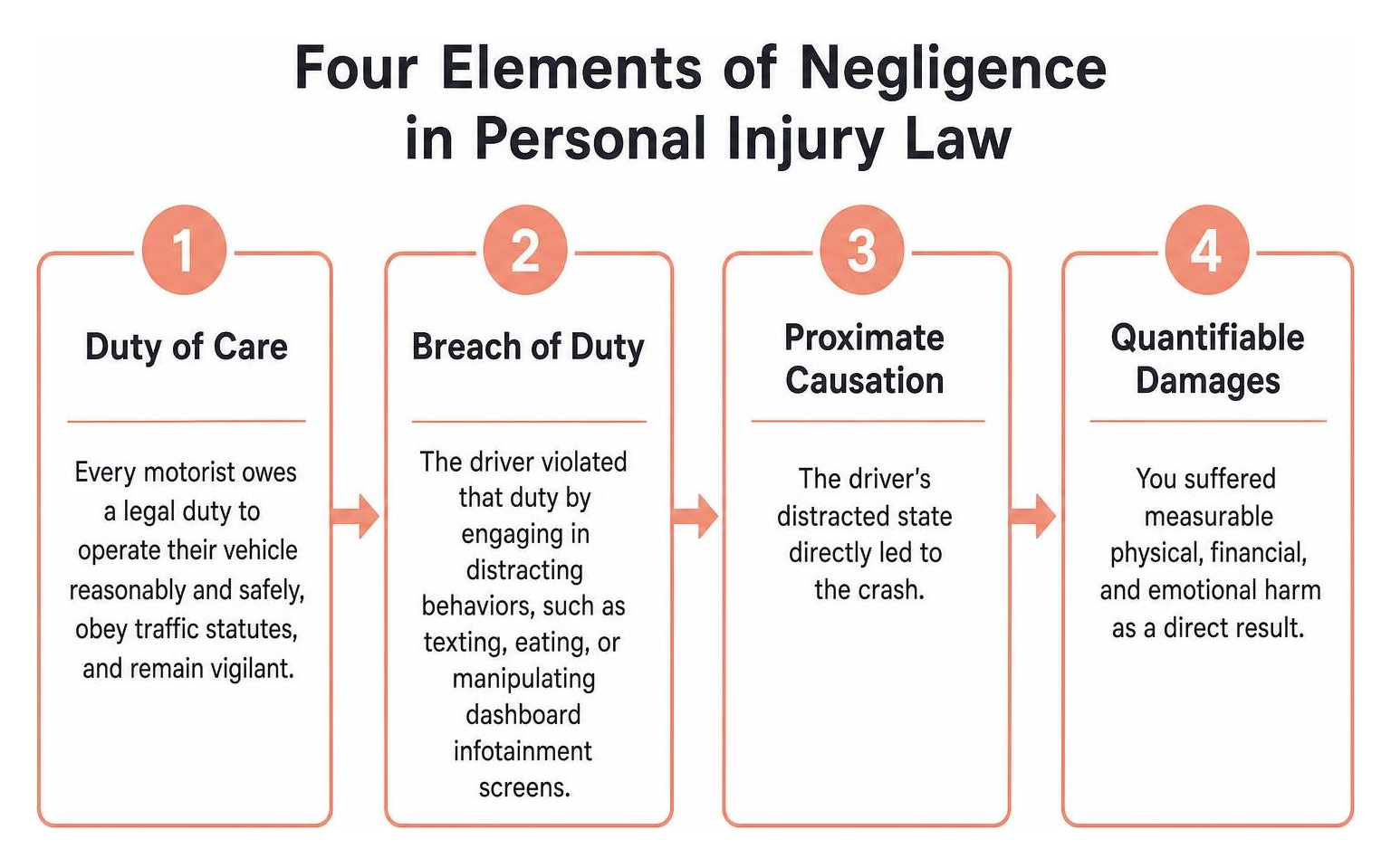
- Duty of Care: Every motorist owes a legal duty to operate their vehicle reasonably and safely, obey traffic statutes, and remain vigilant.
- Breach of Duty: The driver violated that duty by engaging in distracting behaviors, such as texting, eating, or manipulating dashboard infotainment screens.
- Proximate Causation: The driver’s distracted state directly led to the crash.
- Quantifiable Damages: You suffered measurable physical, financial, and emotional harm as a direct result.
Proving that a driver was distracted at the exact moment of impact requires comprehensive evidence collection. Our experienced Car Accidents Lawyers New Jersey review official police crash reports, interview eyewitnesses who saw the other driver looking down, evaluate traffic camera footage, and work with accident reconstruction experts to analyze skid marks, vehicle resting points, and impact speeds.
Securing Digital Evidence and Vehicle Telematics
One of the most critical steps after a wreck is securing digital evidence before it is overwritten, erased, or altered. Digital proof provides objective, timestamped confirmation of driver actions.
Key evidence includes:
- Cell Phone Carrier Records: Subpoenaed carrier logs reveal incoming and outgoing calls, data transmissions, and sent text messages matching the crash timestamp.
- App Activity & Forensic Data: Deep forensic examinations of mobile devices can verify active screen time, video streaming, social media usage, or gaming apps open during impact.
- Vehicle Event Data Recorders (EDRs): Modern vehicle “black boxes” capture critical operational data seconds before a collision, including vehicle speed, steering angle, throttle position, and whether the brakes were applied.
- Dashcam and Surveillance Footage: Footage from surrounding commercial security systems, municipal traffic cams, and consumer dashcams can show driver head position and vehicle lane drifting prior to impact.
To prevent the deletion of this data, legal counsel sends formal spoliation letters to preserve vital information. Learning more about Crashing Into Reality What New Jersey Auto Accident Attorneys Want You To Know helps protect your right to obtain this digital documentation.
Why You Need a Distracted Driver Accident Lawyer for Insurance Negotiations
Insurance companies prioritize minimizing claim payouts. Adjusters frequently use aggressive tactics against unrepresented claimants, such as pushing for recorded statements designed to elicit admissions of shared fault, or extending fast, lowball settlement offers before the full extent of your injuries is known.
Working with experienced counsel levels the playing field. When you need to protect your rights, make sure you Dont Settle For Less Finding The Best Car Accident Attorneys In Nj to take over communications with insurance carriers, calculate the true long-term value of your losses, and prepare the case for trial if the insurer refuses to make a fair offer.
Immediate Steps to Take Following a Crash to Protect Your Injury Claim
What you do in the moments and days following an accident directly affects your physical recovery and legal options.
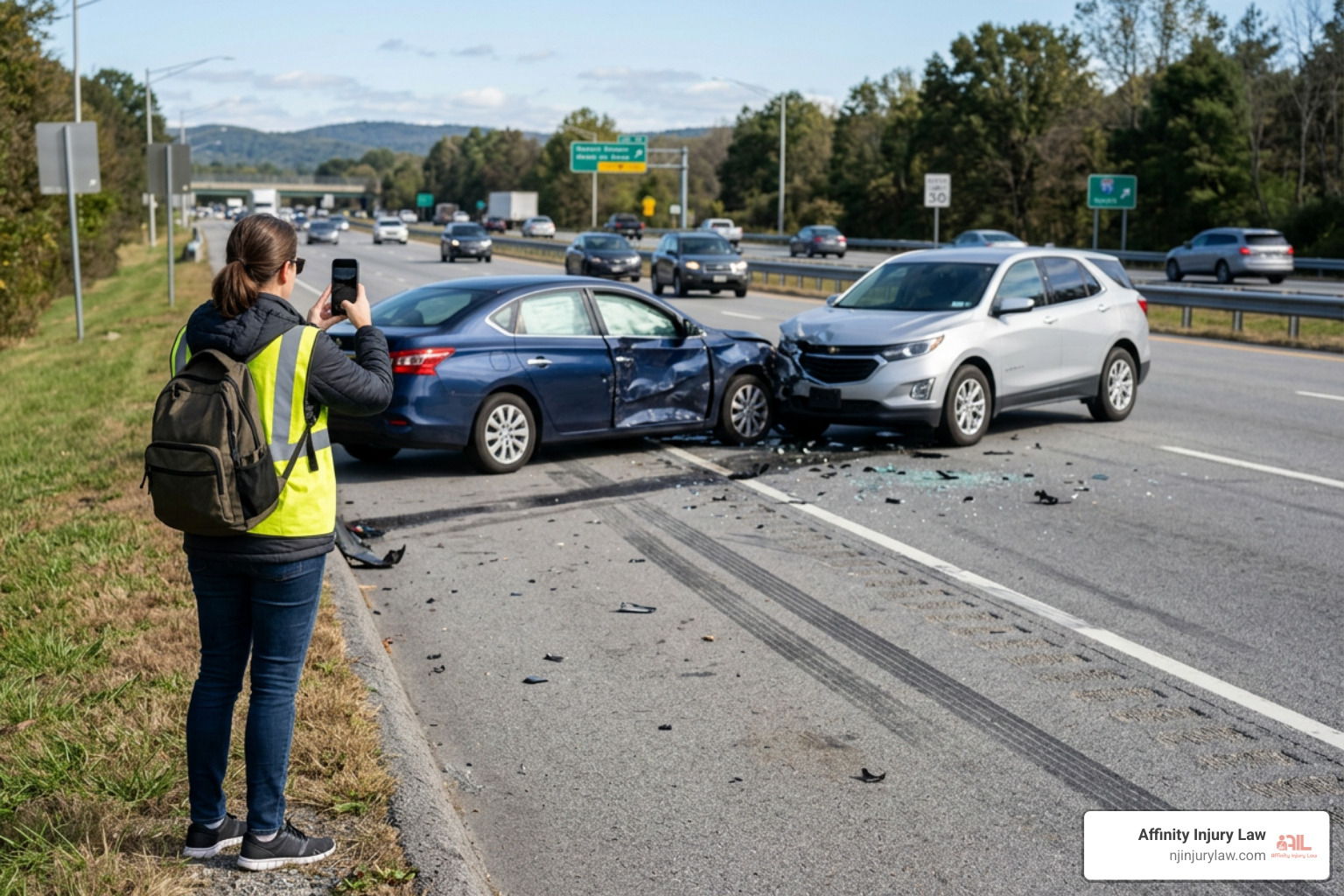
Follow these essential steps:
- Call 911 for Emergency Dispatch: Request both police and emergency medical services. An official police report creates the foundational record of the incident.
- Document the Scene Thoroughly: If you can safely do so, capture high-resolution photos and videos of all vehicle positions, property damage, roadway conditions, traffic signals, skid marks, and any visible objects inside the other driver’s cabin (like phone mounts or food containers).
- Gather Eyewitness Information: Collect names, phone numbers, and emails from anyone who witnessed the crash or observed the other motorist’s driving behavior beforehand.
- Exchange Required Information: Collect driver’s license numbers, vehicle registration, and auto insurance policy details from all motorists involved.
- Avoid Making Statements About Fault: Do not apologize or discuss fault with the other driver or insurance adjusters at the scene. Stick strictly to facts when speaking to law enforcement officers.
- Consult a Legal Professional: Review the 5 Mistakes That Can Hurt Your Personal Injury Claim In New Jersey and be aware of Common Mistakes Without Accident Injury Lawyers before giving statements to insurance adjusters.
Documenting Bodily Injuries and Medical Care
Distracted driving collisions frequently occur without warning or evasive braking, leading to high-impact collisions.
Common injuries sustained in these crashes include:
- Traumatic Brain Injuries (TBIs) and Concussions: Caused by violent head movement or impact against steering wheels, dashboards, and windows.
- Cervical Whiplash and Neck Injuries: Soft-tissue damage, torn ligaments, and muscle strains caused by sudden acceleration-deceleration forces.
- Spinal Cord Trauma & Herniated Discs: Damage to the spinal column leading to chronic nerve impingement, radiating pain, numbness, or permanent paralysis.
- Fractures and Internal Organ Damage: Broken ribs, fractured limbs, and internal bleeding resulting from seatbelt compression or cabin intrusion.
- Psychological Trauma: Post-traumatic stress disorder (PTSD), severe driving anxiety, and sleep disturbances following a violent collision.
Seeking immediate diagnostic evaluation (such as MRIs, CT scans, and X-rays) establishes a clear link between the crash and your injuries. Consistent follow-through with physical therapy and specialist appointments prevents insurance companies from claiming that your injuries were pre-existing. Our Bodily Injury Lawyers New Jersey team uses these detailed medical records to establish the full extent of your physical damages.
Calculating Damages and Recoverable Compensation for Your Injuries
When seeking compensation through an insurance settlement or civil lawsuit, damages fall into two main categories: economic and non-economic.
- Economic Damages (Direct Financial Losses):
- Emergency room treatment, ambulance fees, and surgical bills
- Ongoing physical therapy, prescription medication, and assistive medical devices
- Projected future medical treatments and long-term in-home care
- Lost wages and income missed during recovery
- Diminished future earning capacity if permanent disabilities prevent returning to your profession
- Property damage repair or replacement costs for your vehicle
- Non-Economic Damages (Intangible Subjective Losses):
- Physical pain, suffering, and ongoing discomfort
- Emotional distress, depression, and mental trauma
- Loss of enjoyment of life and inability to participate in hobbies
- Scarring, disfigurement, and physical limitations
- Loss of consortium and spousal companionship
Understanding How Jersey City Accident Attorneys Can Save Your Wallet After A Crash and reading The Newark Car Accident Lawyers Guide To Getting Your Life Back provides valuable context on maximizing your total financial recovery.
Working with a Distracted Driver Accident Lawyer on a Contingency Basis
Navigating legal challenges while recovering from injuries can feel overwhelming. We represent clients on a contingency fee basis.
Under a contingency fee arrangement:
- No Upfront Fees: You pay zero out-of-pocket legal fees to retain counsel or start your case.
- All Case Costs Covered: The law firm advances all necessary litigation costs, including court filing fees, expert witness retainers, medical records requests, and accident reconstruction expenses.
- No Fee Unless We Win: Legal fees are only collected as an agreed-upon percentage of the final monetary settlement or courtroom verdict. If there is no financial recovery, you owe no attorney fees.
To learn more about how this client-first fee system functions, consult The Ultimate Guide To Hiring A Contingency Fee Accident Lawyer.
Navigating State Laws, Insurance Rules, and Comparative Fault
Resolving a motor vehicle collision claim requires understanding local traffic statutes and insurance rules.
In New Jersey, handheld wireless phone use, texting, and manual device operation while operating a moving vehicle are strictly prohibited under state traffic law. Violating these handheld device laws can serve as evidence of negligence per se in a civil claim.
New Jersey uses a No-Fault auto insurance system. Under this framework:
- Your own auto insurance policy’s Personal Injury Protection (PIP) covers your initial medical bills and lost wages up to your elected policy limits, regardless of who caused the collision.
- To step outside the no-fault system and pursue a liability lawsuit against the at-fault driver for non-economic damages (pain and suffering), your injuries must meet specific legal standards (such as permanent injury, displaced fractures, or significant scarring) if your policy includes the “Limitation on Lawsuit” threshold.
New Jersey also follows a Modified Comparative Negligence standard (the 51% bar rule):
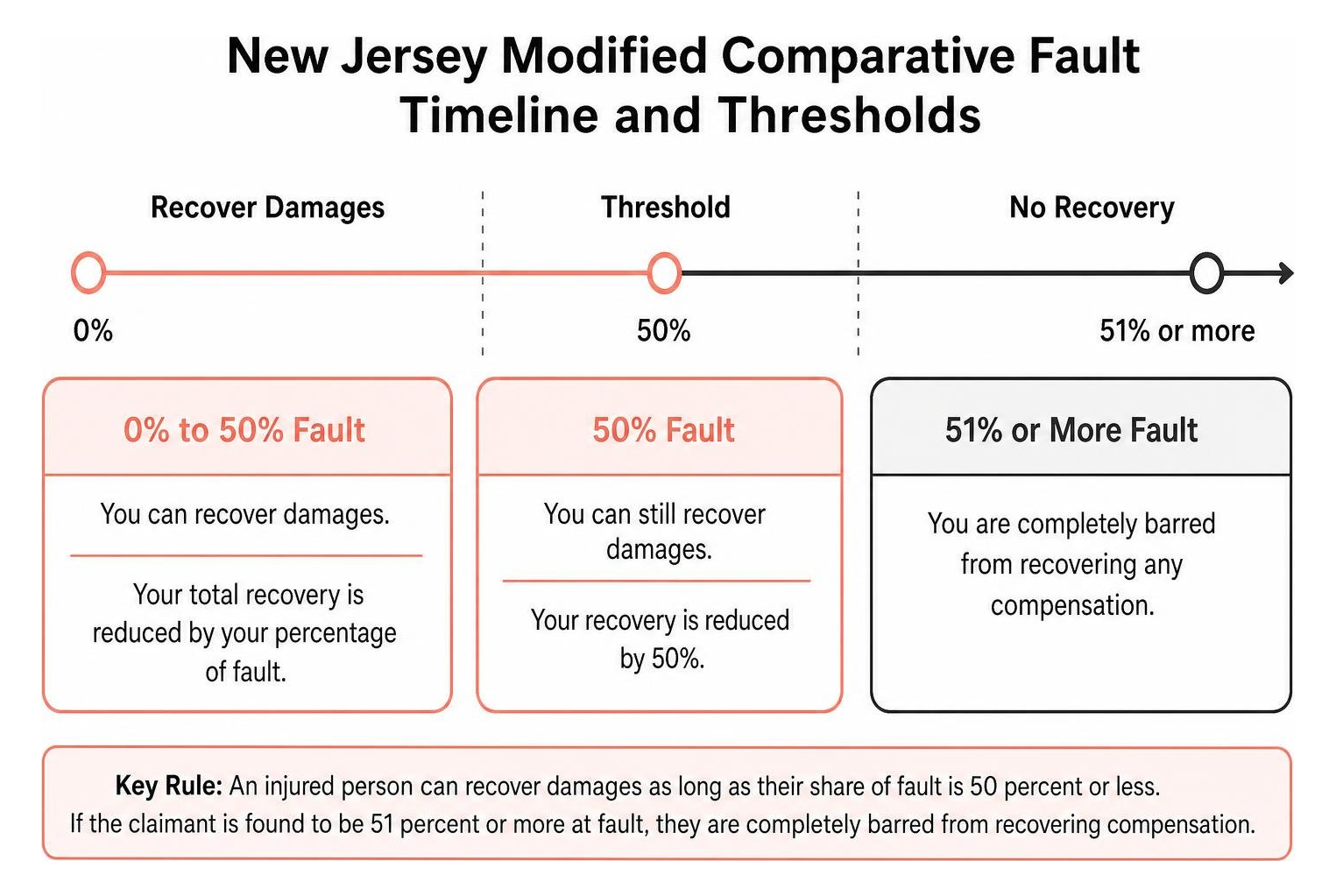
Under this rule, an injured person can recover damages as long as their share of fault is 50 percent or less. However, their final financial recovery is reduced proportionally by their percentage of fault. If the claimant is found to be 51 percent or more at fault, they are completely barred from recovering compensation.
Partnering with knowledgeable Personal Injury Lawyers New Jersey ensures that your rights remain protected against unwarranted comparative fault claims by insurance companies.
Frequently Asked Questions about Distracted Driving Lawsuits
How long do I have to file a distracted driving lawsuit?
In New Jersey, the statute of limitations for personal injury claims is generally two years from the date of the collision. Failing to file a formal complaint in civil court before this deadline expires typically results in the permanent loss of your right to pursue compensation. Limited exceptions exist (such as claims involving minors or undiscovered injuries), but prompt action is essential to preserve evidence.
Can I recover damages if I was partially at fault for the accident?
Yes. Under New Jersey’s modified comparative negligence system, you can recover compensation as long as your assigned fault does not exceed 50 percent. For instance, if your total damages equal $100,000 and you are found to be 10 percent at fault, your final recovery will be $90,000. If your fault is 51 percent or higher, state law bars recovery entirely.
What if the at-fault driver denies they were using their phone?
It is very common for drivers to deny phone use after a crash. However, an attorney can issue legal subpoenas to obtain cellular network logs, application records, and vehicle infotainment data. These records provide objective timestamps of calls, texts, and active app sessions that directly counter false denials.
Conclusion
Distracted driving is a reckless choice that causes severe, life-altering injuries across New Jersey communities every day. When motorists choose to check a text, adjust an app, or take their attention off the roadway, they must be held accountable for the harm they cause.
At Affinity Injury Law, we advocate for injured victims across New Jersey, including Bergen County, Passaic County, Lyndhurst, Hackensack, Paterson, Fort Lee, Paramus, Fair Lawn, Passaic, Clifton, and Wayne. Our team offers dedicated, client-focused legal representation on a contingency fee basis, along with clear multilingual communication in Romanian, French, and Spanish.
If you or a loved one was injured by an inattentive motorist, contact a trusted Bergen County personal injury lawyer today for a free, confidential case evaluation.